Troubleshooting your azure vpn client fix those pesky connection issues
'%2F%3E%3Ctext%20x%3D'50%25'%20y%3D'50%25'%20dy%3D'.35em'%20text-anchor%3D'middle'%20font-family%3D'-apple-system%2CBlinkMacSystemFont%2CSegoe%20UI%2Csystem-ui%2Csans-serif'%20font-size%3D'100'%20font-weight%3D'600'%20fill%3D'%23fff'%3ECQ%3C%2Ftext%3E%3C%2Fsvg%3E) Chiara Quesnel·15 April 2026·11 min
Chiara Quesnel·15 April 2026·11 min

Troubleshooting your azure vpn client fix those pesky connection issues — quick guide to get you back online fast. Quick fact: VPN connection problems with Azure often come from misconfigured settings, expired certificates, or network blocks. This post is your practical, step-by-step playbook to diagnose and fix them efficiently. Below you'll find a mix of checklists, quick wins, and deeper dives so you can tackle both common and stubborn issues.


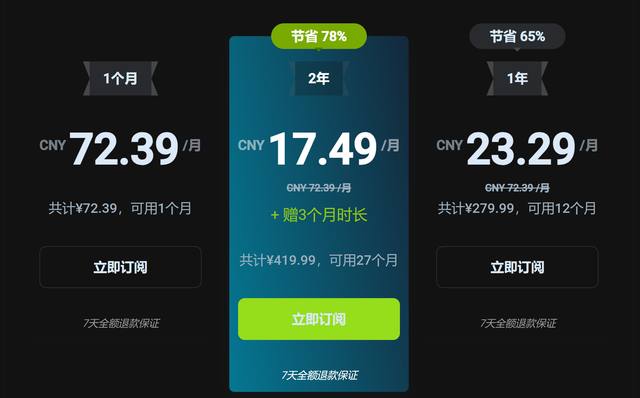

Useful resources and quick links: Apple Website - apple.com, Artificial Intelligence Wikipedia - en.wikipedia.org/wiki/Artificial_intelligence, Microsoft Learn - learn.microsoft.com, Azure VPN documentation - docs.microsoft.com, NordVPN offer - dpbolvw.net/click-101152913-13795051
- Quick fact: A reliable Azure VPN client connection starts with a clean, correctly configured setup.
- If you’re stuck, here’s a concise path to get back in action:
- Verify basics: network, credentials, and server address.
- Confirm client and server compatibility and certificate validity.
- Check for common blockers like firewall rules, split tunneling, and DNS.
- Apply targeted fixes and validate with a test connection.
What you’ll learn
- How to identify the root cause of Azure VPN connection issues.
- A practical, retry-friendly troubleshooting workflow.
- How to prevent problems with proactive maintenance and monitoring.
- Official sources and tools to speed up diagnosis.
Section overview
- Quick checks you can do in 5 minutes
- Common misconfigurations and how to correct them
- Certificate and authentication troubleshooting
- Networking and firewall considerations
- Client-side health checks and updates
- Server-side considerations and ASP (Azure Service Profiles)
- Post-connection validation techniques
- Pro tips for maintaining a stable VPN setup
Quick checks you can do in 5 minutes
- Confirm you’re connected to the internet with a fast, stable connection.
- Validate the VPN profile is current and matches the server details (address, group, and authentication).
- Make sure the Azure VPN client software is up to date.
- Check that the VPN service is not blocked by a firewall or corporate policy.
- Test with a different network (home vs. mobile hotspot) to rule out local network issues.
Common misconfigurations and how to correct them
- Incorrect server address or tunnel type: Double-check the server URL, pre-shared key, and authentication method (certificate vs. username/password).
- Wrong VPN protocol: Azure supports several protocols; ensure you’re using the recommended one for your setup (IKEv2 or OpenVPN, depending on your environment).
- Split tunneling misconfigurations: If you need all traffic to go through the VPN, disable split tunneling or adjust the routing rules accordingly.
- DNS leaks or misconfigured DNS: Ensure your DNS settings point to reliable resolvers and that DNS traffic routes through the VPN when required.
- Client profile conflicts: Remove and recreate the VPN profile to eliminate corrupted settings.
Certificate and authentication troubleshooting
- Expired or revoked certificates: Verify certificate validity, chain of trust, and revocation status.
- Incorrect certificate import: Re-import the certificate into the VPN client, ensuring the right private key is used.
- Multi-factor authentication (MFA) issues: Ensure your second factor is available and correctly configured; check any conditional access policies.
- Username/password issues: Reset passwords if necessary and verify account status (locked or disabled).
- Client certificate binding: Confirm the certificate is bound to the correct user or machine as required by the server.
Networking and firewall considerations
- Port blocking: Ensure UDP ports 500, 4500, and 1701 (if applicable) are open, or the required ports for your VPN deployment.
- NAT and double NAT: Check router settings and ensure VPN passes through without double NAT interference.
- IPv6 and DNS handling: Some networks mishandle IPv6; try forcing IPv4 if problems persist, and ensure DNS requests are routed properly.
- Corporate proxies: If you’re behind a proxy, verify proxy settings align with the VPN client’s configuration.
- ISP throttling or packet loss: Run continuous ping tests to assess stability and consider alternative networks if necessary.
Client-side health checks and updates
- Reinstall or repair the VPN client: A clean install resolves many stubborn issues.
- Clear VPN caches and reset network settings: This helps eliminate stale routes and misconfigurations.
- Update network drivers: NIC drivers should be current to avoid connectivity glitches.
- Check antivirus and firewall exemptions: Ensure the VPN client is allowed and not blocked by security software.
- Review Windows Event Viewer (or your OS logs): Look for specific error codes or warnings that point to VPN failures.
Server-side considerations and Azure specifics
- Check Azure VPN Gateway status: Ensure the gateway is online and not in maintenance mode.
- Compare local and remote policy settings: Mismatched Policies can cause negotiation failures.
- Review VPN topology: Confirm the configured tunnel type, IKE/IKEv2, and shared secrets or certificates align.
- Sizing and scale: Ensure the gateway has enough capacity and is not under heavy load.
- Azure diagnostic logs: Enable and review VPN diagnostic logs to pinpoint negotiation or routing problems.
Post-connection validation techniques
- Verify tunnel status and bytes transferred: Check tunnel uptime and data flow statistics.
- Test internal resources: Try accessing internal servers, file shares, and management consoles.
- Route tests: Check the routing table to confirm traffic paths through the VPN.
- DNS resolution checks: Resolve internal hostnames to ensure DNS resolution works properly via VPN.
- Bandwidth and latency checks: Run speed tests to gauge performance while connected.
Data-backed insights and best practices
- Common failure points: Authentication, certificate validity, and routing misconfigurations cover the majority of issues.
- Proactive maintenance: Schedule regular certificate renewals, client updates, and policy audits.
- Observability: Maintain VPN connection logs and enable telemetry to track patterns over time.
- Security posture: Keep the VPN client and OS patched; enable MFA where possible, and review access policies.
Step-by-step troubleshooting workflow (checklist)
- Step 1: Gather details
- VPN profile name, server address, protocol, authentication method
- Error codes from the client UI
- Recent changes to network or security policies
- Step 2: Quick fix round
- Restart the VPN client and machine
- Reconnect using a different network
- Disable conflicting security software momentarily to test
- Step 3: Validate credentials and certificates
- Confirm credentials work on other services
- Check certificate validity and binding
- Step 4: Inspect client config
- Verify server address, tunnel type, and routing rules
- Ensure DNS settings are correct for the VPN
- Step 5: Check network and firewall
- Confirm ports are open and not blocked
- Test for VPN traffic with packet captures if needed
- Step 6: Server-side review
- Look into VPN gateway health and policy alignment
- Review diagnostic logs for negotiation errors
- Step 7: Reproduce and validate
- Recreate the issue on another device or network
- Confirm resolution by testing internal resources and latency
- Step 8: Document and monitor
- Update the knowledge base with what worked
- Set up monitors and alerts for VPN health
Tables: common error codes and what they mean
| Error Code | Likely Cause | Quick Fix |
|---|---|---|
| 0x800b0109 | Certificate trust issue | Reinstall certificate, check chain |
| 789 | Negotiation failure | Check IKE policy and shared secret/cert |
| 789/138 | Authentication failure | Validate credentials and MFA |
| 809 | Network connectivity | Verify internet access and DNS |
| 619 | Client-side timeout | Increase timeout and verify routing |
Tools and resources you can use
- Windows built-in: Network Troubleshooter, rasmon.exe, and Event Viewer
- Azure: VPN Gateway diagnostics in Azure Portal, Network Watcher
- Third-party: Packet capture tools (Wireshark) for analysing VPN traffic
- Security: Ensure your firewall and antivirus provide VPN exemptions
- Documentation: official Azure VPN gateway docs and client configuration guides
Real-world examples and scenarios
- Small business remote workers: A simple IKEv2 setup with certificate-based authentication, requiring certificate renewal reminders.
- Enterprise remote access: MFA-enabled access with conditional policies, needing more frequent policy reviews.
- Hybrid cloud connections: Site-to-site VPN with route-based policies, requiring careful route analysis and BGP configuration if used.
Best practices for maintaining Azure VPN reliability
- Schedule regular certificate renewals and client updates well before expiry.
- Keep your OS and network drivers current to reduce compatibility issues.
- Use telemetry to detect patterns and preempt outages.
- Document all changes in a central knowledge base for quick reference.
- Run periodic drills to test failover and recovery strategies.
Pro tips for faster resolution
- Create a reproducible test scenario: a standard checklist you can run on any device.
- Keep a log of changes and outcomes to build a helpful history for future issues.
- Use dedicated test networks to isolate problems from production traffic.
- When in doubt, re-create from scratch: sometimes a clean profile is faster than chasing a hard-to-diagnose issue.
Frequently Asked Questions
What is the most common reason Azure VPN connections fail?
The most common reason is a misconfigured or expired certificate or a mismatch in authentication and server settings. Start by checking the certificate validity and the server address, then verify authentication method.
How do I verify my VPN gateway status in Azure?
Open the Azure Portal, navigate to the VPN Gateway resource, and review its health status. Use Network Watcher to inspect connectivity and perform diagnostics.
Can I use OpenVPN with Azure VPN Gateway?
Yes, depending on your gateway configuration, OpenVPN or IKEv2 can be used. Verify which protocol your gateway supports and configure accordingly.
Why is split tunneling recommended or discouraged?
Split tunneling can improve performance for some users but may risk exposing traffic that isn’t protected by the VPN. Use it only if you have a clear security and access plan.
How do I handle MFA issues with Azure VPN?
Ensure MFA is active for users, validate conditional access policies, and check that the user’s device has the correct trusted factors configured. Cant download nordvpn on windows 11 heres how to fix it and other vpn tips for 2026
What should I do if DNS fails over the VPN?
Ensure the VPN DNS servers are correctly configured and reachable, and test DNS resolution for internal hosts while connected to the VPN.
How do I diagnose port-related issues?
Verify that required ports are open on the client and gateway, and use network tracing to identify blocked ports.
How can I test VPN connectivity quickly?
Use a known-good device on a known-good network to establish a baseline, then compare results when issues occur. Run ping and traceroute as needed.
What logs are most useful for VPN issues?
VPN client logs, system event logs, and Azure VPN gateway diagnostic logs provide the most actionable details.
How often should I perform VPN maintenance?
Aim for quarterly reviews of configurations, certificates, and policies; run minor updates monthly and major updates as needed. The truth about vpns selling your data in 2026 what reddit knows
Detailed troubleshooting flow for Azure VPN client issues
- Collect environment details: OS, VPN client version, gateway type, authentication method.
- Check connectivity: basic internet access and DNS resolution outside VPN.
- Review VPN profile: server address, tunnel type, credentials, and certificates.
- Test in safe mode or with minimal security software to rule out interference.
- Update or reinstall the VPN client to ensure a clean profile.
- Inspect logs for error codes and correlate with client and server settings.
- Validate server health and policy alignment on Azure.
- Reproduce the issue across devices or networks to confirm scope.
- Implement a permanent fix and document the outcome.
- Monitor for recurrence and set up alerts.
Additional resources
- Azure VPN Gateway documentation: docs.microsoft.com/en-us/azure/vpn-gateway/
- Network Watcher: docs.microsoft.com/en-us/azure/network-watcher/
- Microsoft Learn on VPN concepts: learn.microsoft.com/en-us/training/
- Troubleshooting VPN connections on Windows: support.microsoft.com
- VPN client best practices: official vendor guides and security whitepapers
Final checklist you can print or save
- Verify internet connection is steady.
- Confirm server address and profile are correct.
- Ensure VPN client and OS are up to date.
- Check certificates and authentication methods.
- Review DNS and routing settings.
- Check firewall rules and antivirus exemptions.
- Review Azure VPN gateway health and policy alignment.
- Collect and review diagnostic logs.
- Validate access to internal resources after connection.
Frequently Asked Questions (revisited)
Can VPN issues be resolved without IT support?
Yes, if you follow the structured checklist and verify each potential problem area step by step. However, for complex Azure VPN gateway configurations, IT support can help with server-side diagnostics.
How long does it typically take to fix a common Azure VPN issue?
Most simple issues resolve within 15–30 minutes once the root cause is identified. More complex cases with certificate or server-policy problems may take longer.
Is there a risk in disabling firewall temporarily?
Yes. Temporarily disabling firewall or security software should be done with caution, ideally under a controlled environment, and re-enabled after testing.
Should I always force IPv4 for VPN connections?
Not always. If IPv6 is properly configured in your network, you can use both. If you encounter issues, forcing IPv4 can help isolate the problem. What is my private ip address when using nordvpn and how to verify it
How do I set up monitoring for VPN health?
Use Azure Network Watcher, VPN diagnostic logs, and client-side telemetry. Set up alerts for connection failures and latency anomalies.
Sources:
蓝灯vpn:2026年最新免费代理使用指南与深度解析,含实测对比与安全要点
Best free vpn edge extension reddit
How to use nordvpn with microsoft edge your ultimate guide
Vpn klikbca 안전하게 온라인 뱅킹하는 방법 2025년 최신 가이드 Mastering nordvpn wireguard config files on windows your ultimate guide
免费加速器:VPN 与隐私保护的全面指南,实用技巧与选择要点